






Can one person change the world?
It sounds like a slogan often used in campaigns or motivational speeches. But research on social dynamics suggests that this idea is not just a metaphor.
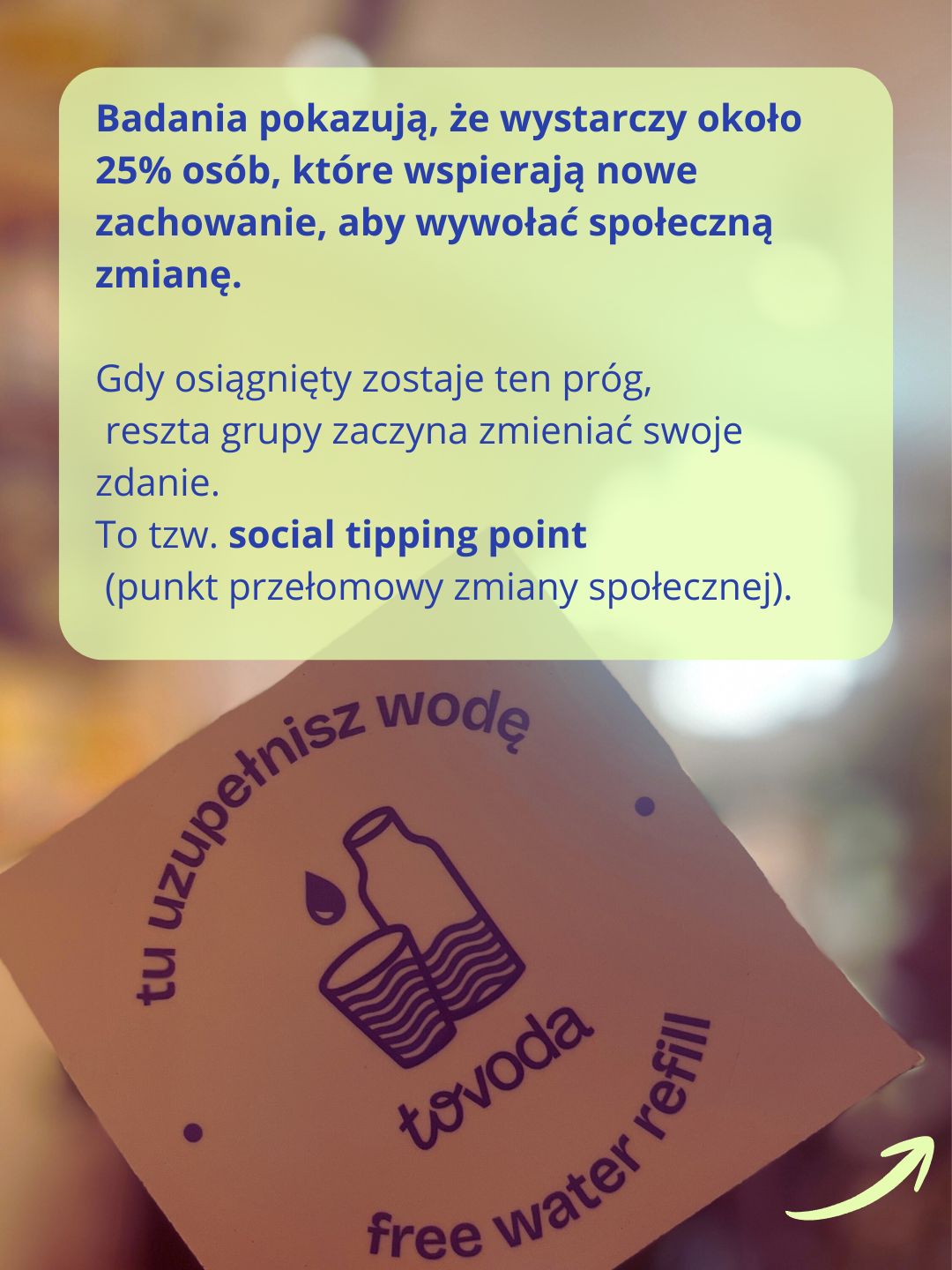
Scientists studying collective behavior have long been interested in the moment when new ideas or behaviors suddenly begin to spread across a society. This moment is known as a social tipping point.
Research published in the journal Science shows that when around 25% of a group consistently supports a new behavior or social norm, a rapid shift can occur and the new behavior spreads quickly across the entire community.
From that moment on, change accelerates.
Humans learn largely by observing others. Many of our decisions are influenced by the behavior of people around us: friends, family members, colleagues, and neighbors.
When we see more and more people adopting a certain behavior, it gradually becomes perceived as the new social norm. As a result, others become more likely to adopt it as well.
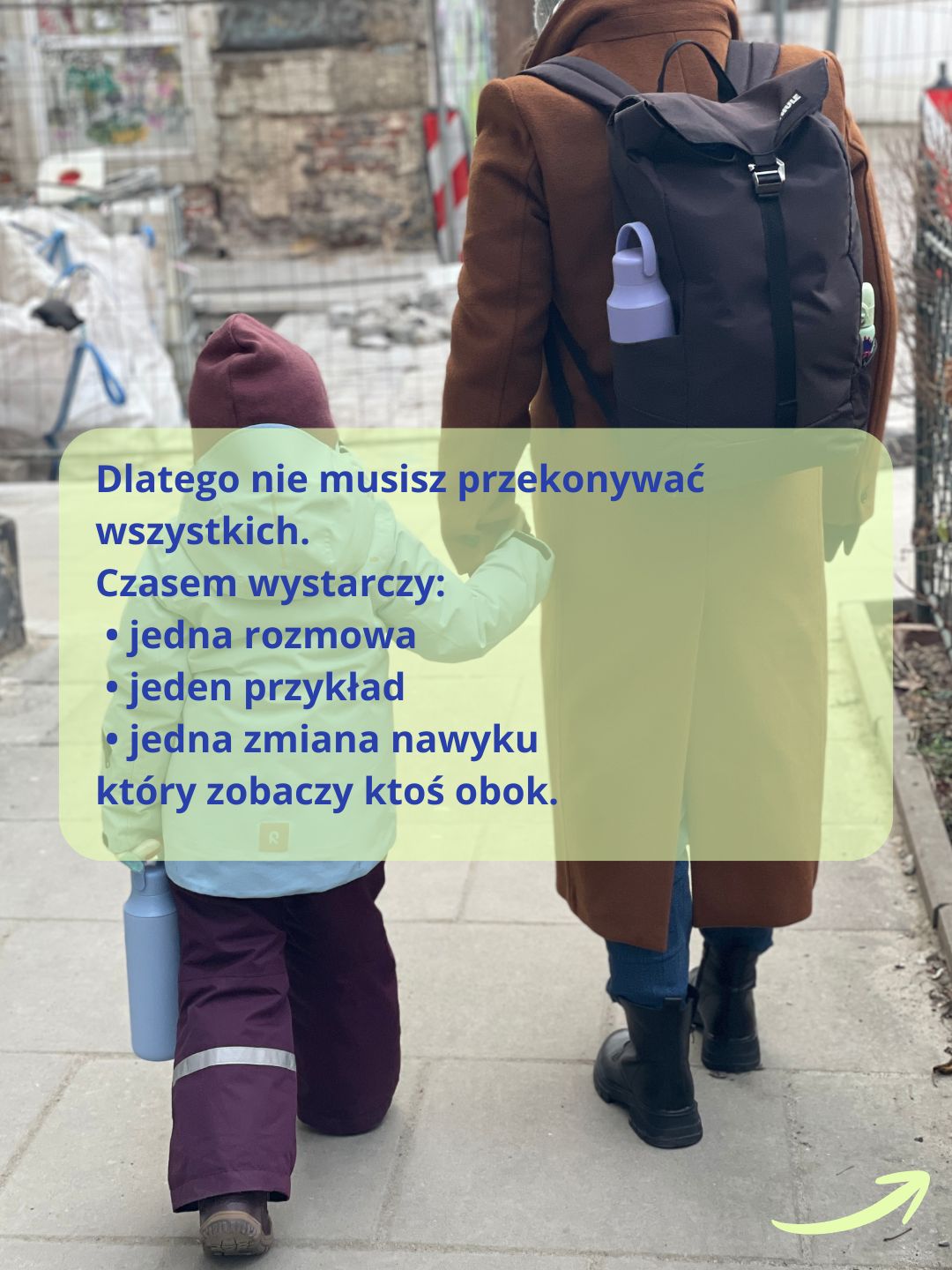
This is why social change rarely starts with everyone at once. It usually begins with a smaller group of committed individuals who act differently.
Throughout history, many important social changes started in this way. New ideas or practices often appeared in small communities before becoming mainstream.
The same applies to sustainability, environmental practices, and the way we design and manage cities.
Sometimes a relatively small group of people acting differently can trigger much larger change.
One of the challenges in many cities today is access to free drinking water in public spaces. In many places it is still not considered a standard service, even though access to water is a basic human need.
However, if more restaurants, cafés, and service points begin offering free water, this practice can gradually become the norm.
This is how social change works in practice.
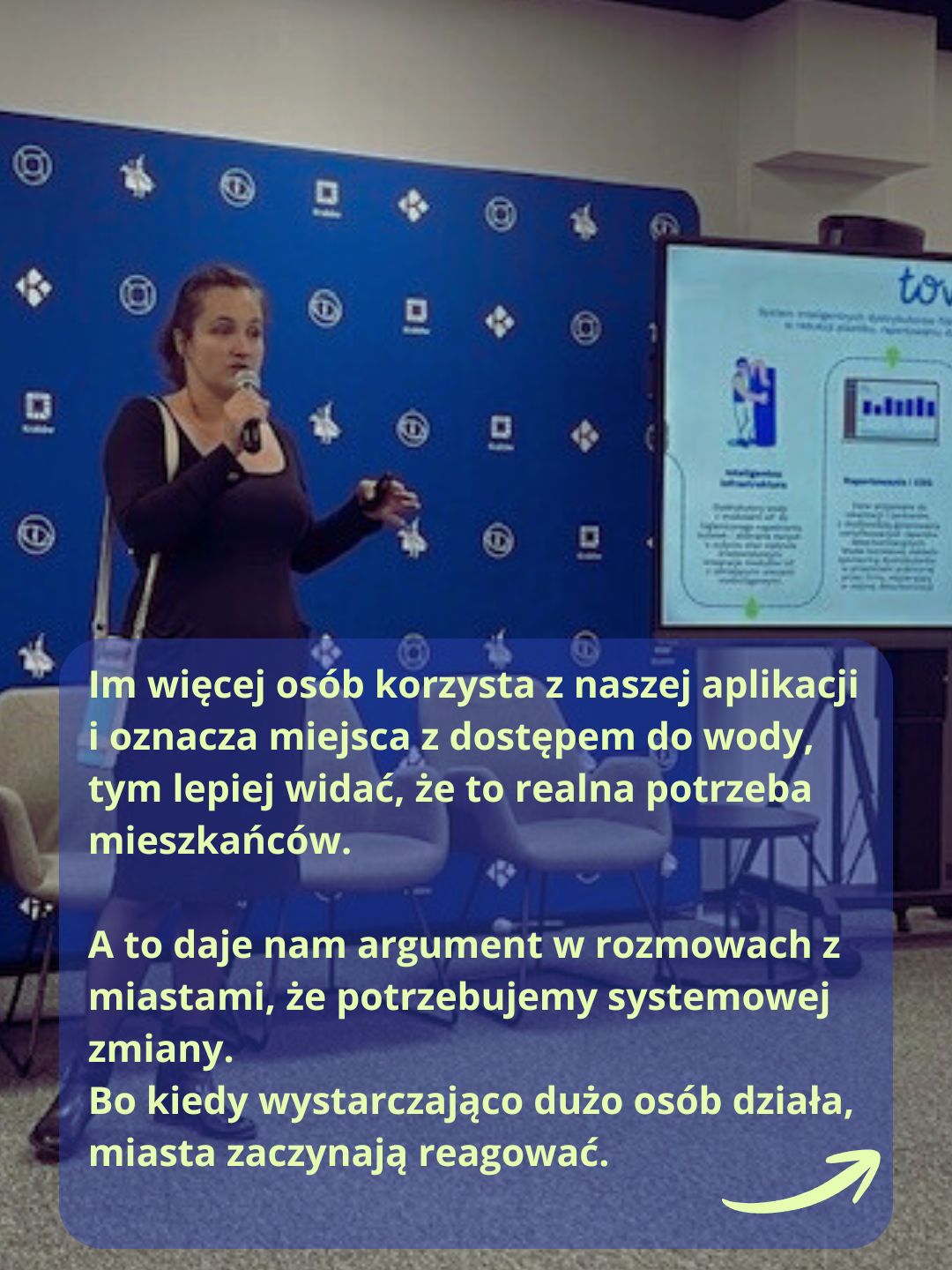
Community engagement plays a crucial role in this process. When people actively map and share places where water is available, they make the demand visible.
The more people contribute, the easier it becomes to show cities and policymakers that access to water in urban spaces is not a niche idea, but a real and growing need.
And once a need becomes visible, it becomes easier to advocate for systemic change.
Major social transformations do not always begin with large political decisions or global strategies.
Often they begin with people who simply decide to do something differently.
And this is how new urban standards emerge.


